
Is AI the leadership issue of our time?
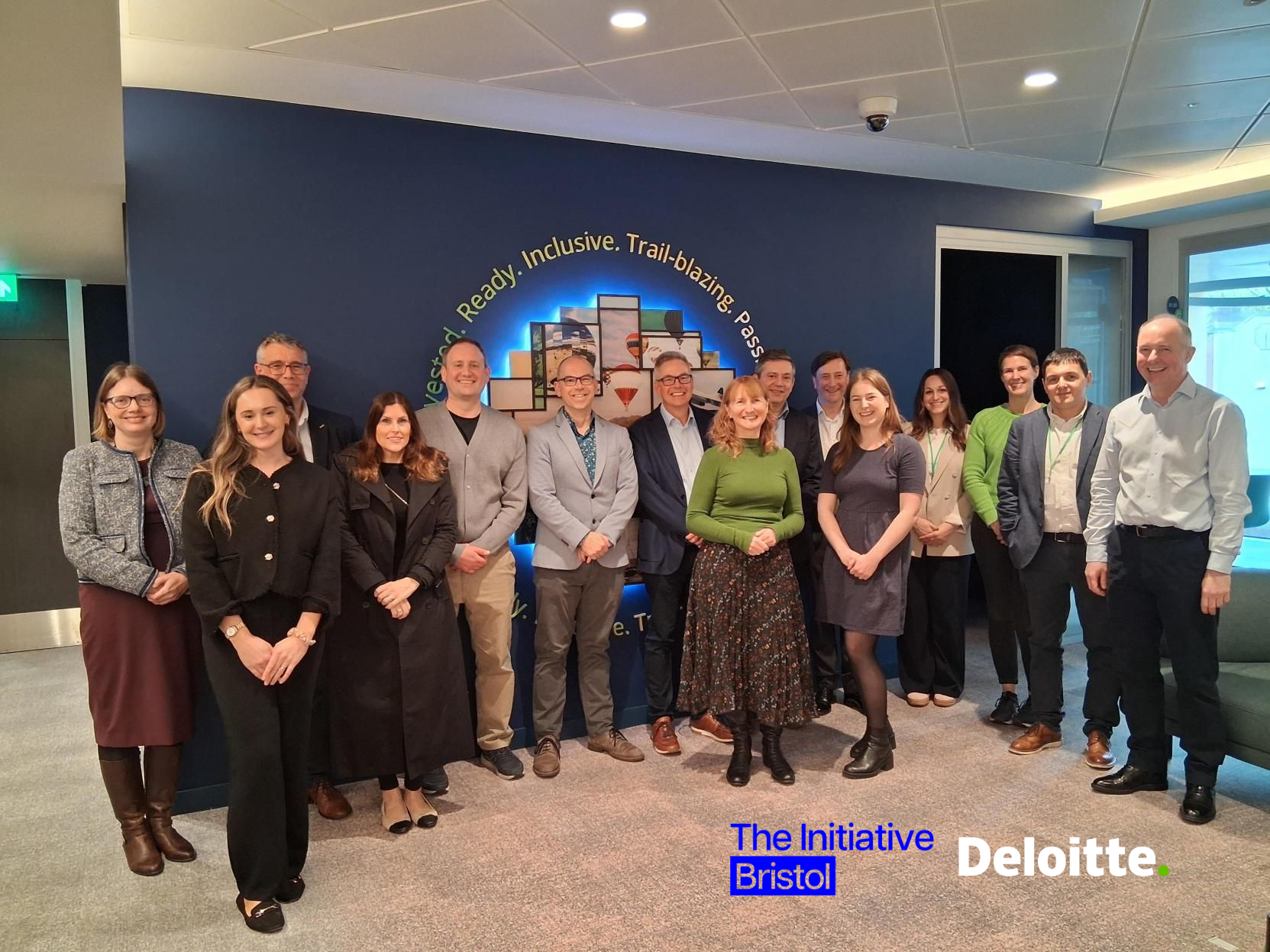
At a recent Bristol Initiative roundtable with Deloitte, business leaders shared their insights on how AI is reshaping organisations and the vital role of human leadership in an era of rapid, uncertain change.

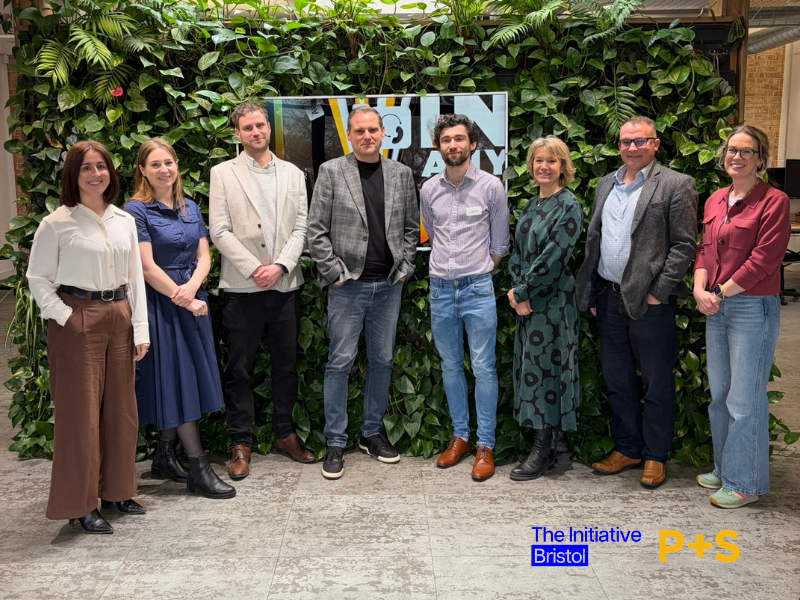
At our latest Bristol Initiative roundtable, delivered in partnership with Proctor + Stevenson, senior leaders came together to explore a shared challenge. In a world where buyers are more informed and more digitally enabled than ever before, what is really driving client acquisition and retention?
Led by Phil Robinson, Creative Director and Co-Owner (P+S), and Sophie Jones, Business Development and Marketing Director (P+S), the discussion quickly moved beyond marketing channels into something deeper. Trust, visibility and the balance between digital efficiency and human connection emerged as defining themes.
A key reflection was how much of the buying journey now happens before first contact. With up to 70% of decision-making taking place before a business appears on a prospect list, brand is doing the heavy lifting for the 95% of your future market who are not actively buying today. Brand is not just visual identity; it is what people assume about you when you are not in the room. While referrals remain powerful, they are increasingly supported by a digital reputation built through:
◀ Thought leadership
◀ Search and targeted activity
◀ Personal visibility on platforms like LinkedIn
◀ Events and relationship-led follow-up
A clear shift is emerging that people trust people more than institutions.
In an attention-scarce environment, clarity is outperforming volume. Across sectors, there was a growing preference for summarised communication, shorter thought leadership content and defined points of view.
Long does not necessarily mean valuable. Attendees reported that soundbites and distilled insights are cutting through where traditional formats sometimes struggle.
With increasingly sophisticated targeting tools available, the conversation has moved from “can we gather data?” to “how should we use it?” Examples ranged from persona-led campaigns to AI-assisted prospecting that identifies trigger moments such as funding events or organisational change. Despite the breadth of conversation, one point was reiterated time and again: data only creates value when interpreted and contextualised. Keeping a human in the loop remains essential to translate signals into meaningful action.
Despite growing fatigue with mass outreach, email continues to work when it is targeted and relationship-led. P+S highlighted that the most important factor is often not the subject line, but the sender. Messages from a trusted individual consistently outperform those from a generic brand, which reinforces a broader move towards peer-to-peer engagement rather than institutional voice.
In many sectors, particularly professional services, traditional unique selling points (USPs) are harder to define. Instead, differentiation is increasingly shaped by:
◀ Who you serve
◀ What value you promise
◀ How you communicate
Tone of voice was highlighted as an important lever, and the challenge is seemingly not uniformity but flexibility, allowing personality without losing coherence across the business.
Authenticity beats perfection.
The creation of content is already being reshaped by AI, along with how organisations research markets and reach their audiences. AI video generation tools such as Synthesia are accelerating production, while platforms like ChatGPT are influencing how the next generation searches for employers and suppliers.
This is shifting focus from traditional Search Engine Optimisation (SEO) towards Answer Engine Optimisation (AEO), where credibility signals such as expertise, authority and trust determine visibility. At the same time, concerns around homogenisation are growing. If everyone uses the same tools, differentiation becomes harder, potentially making human interaction more valuable, not less.
As digital becomes the default, human connection becomes the differentiator. AI can accelerate execution and remove routine tasks, but relationships, judgement and individuality remain the drivers of trust. In a digital-first world, trust continues to be the ultimate competitive advantage.
If you’re not a member but would like to find out more about the Bristol Initiative, then get in touch with Jenny Ablett, Bristol Initiative Acting Director.
At a recent Bristol Initiative roundtable with Deloitte, business leaders shared their insights on how AI is reshaping organisations and the vital role of human leadership in an era of rapid, uncertain change.
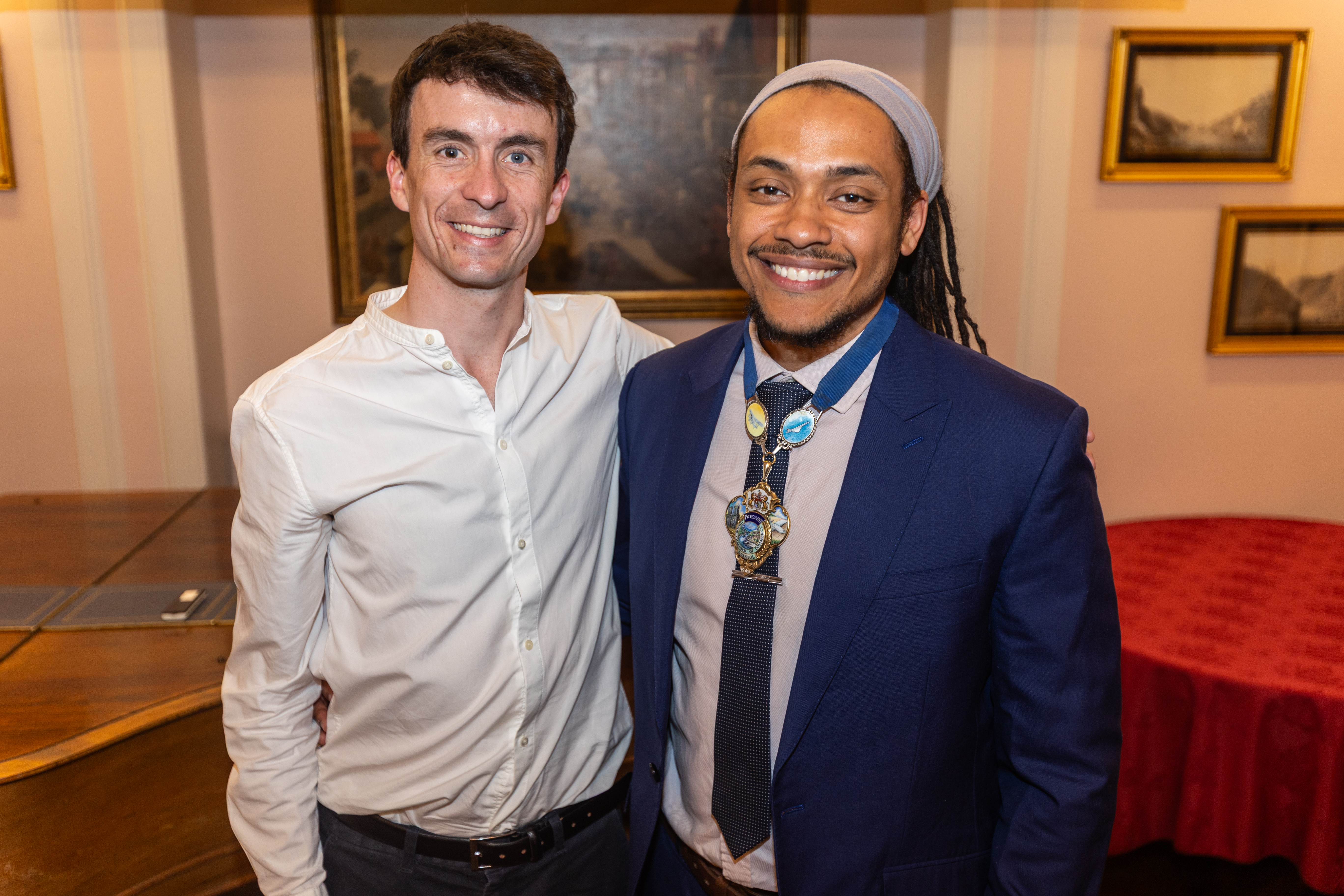
The Bristol Junior Chamber (BJC) enters a new chapter as Connor Jones hands over the Presidency to Jyles Allen. Reflecting on a year of growth and looking forward to the year ahead, we caught up with both leaders to mark this moment of transition and ambition for BJC.
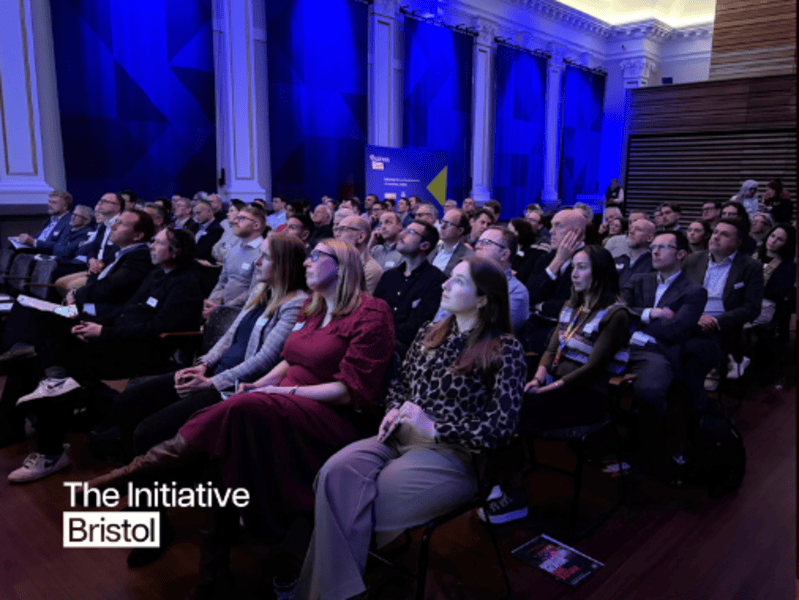
Members of the Bristol Initiative came together at the Bristol Beacon for the Spring Quarterly Members’ Evening to share updates, explore new ideas and reflect on the future of the West of England economy.